
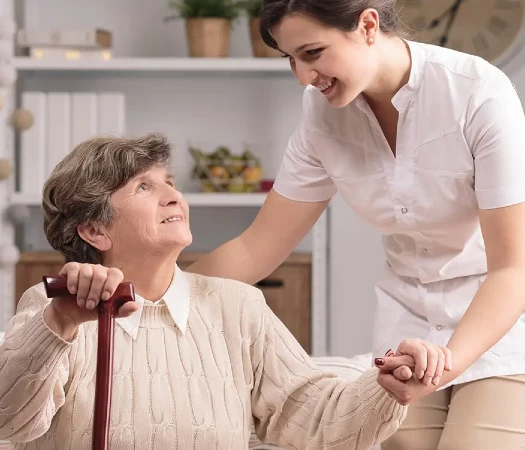
For those who have elderly relatives living alone, ensuring their safety is crucial. Falls and injuries are common among older individuals who are living independently, posing potentially serious risks. This makes it important to take proactive steps to prevent such incidents, and keep elderly relatives safe. Thankfully, there are practical ways to improve the home safety for our elderly family without compromising their independence.
From installing safety equipment, removing potential hazards, as well as utilising safety alarms, there are effective steps you can take to ensure their safety. Our dedicated team at Companions Of London is committed to providing valuable insights on optimising home safety for your elderly relatives. By implementing our recommendations, you can significantly reduce the risk of accidents and injuries, creating a safer living environment.
Install Bathroom Safety Equipment
Bathrooms can be difficult places for older people to navigate, with many aspects of bathroom use posing a risk. You can reduce this by installing safety equipment in the bathroom, to significantly reduce the risk of falls and slips. Adding features like grab bars near the toilet, shower, and bath can provide essential support and stability, promoting independent and safe usage. You can also introduce non-slip mats or adhesive strips in the bath or shower to prevent slips, and introduce shower chairs or benches to add another layer of safety and comfort, ensuring that bathing is a safe and secure experience.
Improve Lighting
Making sure that there is ample lighting in the home is also crucial for preventing falls and improving visibility, particularly for those with vision impairments who may already face challenges in navigating their surroundings. By thoroughly illuminating all areas of their home, such as hallways, staircases, and entranceways, you create a safer environment that promotes independence and confidence in daily activities. You can also incorporate motion-sensor lights in locations like the top of the stairs, illuminating their pathways during night time. This thoughtful approach to lighting not only builds a safer living space but also contributes to their overall well-being and quality of life.
Remove Tripping Hazards
It’s essential to eliminate tripping hazards in their home to minimise the risk of accidents. Conducting a comprehensive inspection allows you to identify and address potential hazards effectively. Make sure that you secure or remove loose rugs to prevent tripping, and ensure that all pathways are free from clutter, electrical cords, and other obstacles that may impede mobility. Additionally, arranging furniture to create wide, unobstructed walkways promotes safer navigation throughout the home. By taking these proactive measures, you can significantly reduce the likelihood of them experiencing a fall or injury within their living environment.
Install Handrails and Ramps
As many elderly individuals may face challenges with stairs, installing ramps can greatly enhance accessibility within their homes. These ramps feature gentle slopes that facilitate easier walking and accommodate mobility aids such as walkers or wheelchairs. Adding handrails along staircases and ramps also provides crucial support and stability, reducing the risk of tripping or stumbling for elderly relatives. By implementing these measures, you ensure their safety and stability while navigating between different levels of the home. This promotes independence and confidence in their daily movements, contributing to a more comfortable and secure living environment overall.
Consider Smart Home Technology
Improving safety can also involve the integration of smart home technology, offering enhanced security and peace of mind. Smart locks on doors can prevent unauthorised access, while security cameras enable remote monitoring to ensure their well-being. Wearable devices or sensors can also provide real-time alerts in case of falls or emergencies, offering an additional layer of protection even when you’re not present. Integrating these technological solutions allows you to proactively safeguard their safety and provide timely assistance when needed.
If a family member is living alone and you feel they could benefit from home companion care, consider reaching out to Companions Of London. We recognise the importance of maintaining independence as one gets older, while also acknowledging the challenges and safety concerns that may arise. Our professional carers offer home companionship, allowing them to remain in their familiar environment while receiving the support they need.
Home companion care – also known as domiciliary care – is tailored to your specific needs, whether it’s for a short or long-term arrangement. Our carers are available for multiple daily visits or weekly check-ins, ensuring they’re there when you need them most. Whether it’s assistance with household tasks, medication management, personal care, or encouraging daily movement, our team is dedicated to helping the elderly live independently with added support.
Every member of our team is extensively trained in elderly home care, prioritising well-being and quality of life. We strive to make our services as affordable as possible, taking into account your needs, budget, and location to provide personalised care recommendations. Our goal is to ensure they remain happy and healthy in the comfort of their own home. To learn more about our home companion care services, reach out to our team at Companions Of London today. You can request a free consultation by filling out our online contact form, and we’ll promptly follow up to discuss your care requirements.